The Difference is Listening: UNC Charlotte’s Evolving Approach to Student Wellbeing

Photo courtesy of UNC Charlotte
Addressing student mental health and wellbeing is one of the biggest challenges in today’s higher education experience.
Nearly all institutions (94%) have taken nonclinical steps to promote campus wellness in the past year, according to the 2026 Inside Higher Ed Survey of College and University Presidents. And yet just 14% of presidents believe student mental health on their campuses is improving, while 60% feel it’s stable and 23% say it's getting worse. From students’ perspective, 73% rate their own mental health as average or poor.
More services don’t always mean better outcomes. As research from the Ruderman Family Foundation shows, students largely continue to associate mental health support with counseling or therapy—leaving the more day-to-day struggles that affect behavior, academics, and belonging largely unaddressed.
At the University of North Carolina at Charlotte, Associate Dean of Students and Director of Student Accountability & Conflict Resolution Kaela Lindquist has spent years thinking about this gap, and working to close it.
Understanding the whole student
Student accountability offices are often synonymous with punishment: A student gets a citation, comes in for a meeting, receives a consequence. But Lindquist sees every interaction as a doorway into something more complex.
"With our incident reports and information we receive, we always have a general idea of what might be occurring,” says Lindquist. “But even something that seems as simple as an underage drinking citation is just a baseline. What seems like a straightforward case oftentimes isn’t."
The conversation that starts as a routine violation often surfaces something deeper, be it academic struggles, financial stress, or social isolation. At UNC Charlotte, the goal isn't to dispense consequences and move on. It's to understand why a student arrived at that moment and what they need next to move forward.
"We try to find ways to solve some of the foundational issues behind students’ behavior so that we can set them up for long-term success. Sometimes a beer is just a beer, and sometimes it's the start of a really complicated substance issue. At Charlotte, I'm grateful that we have the ability to get our students connected to resources that help them unpack what’s really going on."
This recognition that student wellbeing requires seeing the whole person, not just the presenting behavior, shapes how UNC Charlotte approaches everything from hazing investigations to anonymous reporting. And it reflects a broader shift Lindquist sees happening across higher education.
"We're seeing a shift towards more student-centered approaches across higher ed broadly. Our students expect us not only to respond to issues, but also to anticipate needs and help remove barriers as well. At UNC Charlotte, we're uniquely positioned to do that because we have the ability to bring together a lot of resources."
Redefining the culture around student accountability
For many students, a meeting with Lindquist's office feels like being called in to see the principal, something you only do when something has gone wrong. Shifting this perception is critical to building trust across campus, and creating a culture where students report concerns and feedback more freely.
"We are always trying to look at that narrative students prescribe to our team and ask ourselves, ‘How do we proactively help change that?’"
That transformation requires showing up differently: building relationships with Greek life organizations to promote positive behaviors, partnering with student leaders to better understand the challenges they face, and being present in spaces where accountability isn't the agenda. It also requires paying close attention to what isn't being said.
"I'm always trying to pay attention to silence,” says Lindquist. “When we're not getting reports, that doesn't mean that something isn't necessarily happening. It just means it's not being reported. If you have an atmosphere where individuals don't feel like they can come forward, they're not going to report things."
Recognizing these unspoken signals is one of the defining challenges for student affairs professionals right now—and it requires both the right relationships and the right tools.
Supporting students is a team effort
No one office can shoulder the weight of a campus wellbeing strategy. At UNC Charlotte, Student Accountability & Conflict Resolution is embedded in a collaborative ecosystem, reflecting the institution's belief that student success is a shared responsibility.
Lindquist’s team regularly communicates with the Center for Wellness Promotion, the Office of Threat Assessment and Management, Office of Civil Rights and Title IX, and other campus partners to discuss trends and benchmark whether the Charlotte community’s needs are being met.
“We come together as a group of thought partners and share what we're each seeing to gut check: Do we have the right resources in place? Should we make any adjustments to better meet certain needs? And if not, what other things might we need to do?”
That culture of coordination across offices, administrators, and the broader Charlotte community is what Lindquist believes sets UNC Charlotte apart. It's what the university's tagline, The Difference Is Charlotte, embodies: not just a place, but an unmatched approach to creating one-of-one experiences.
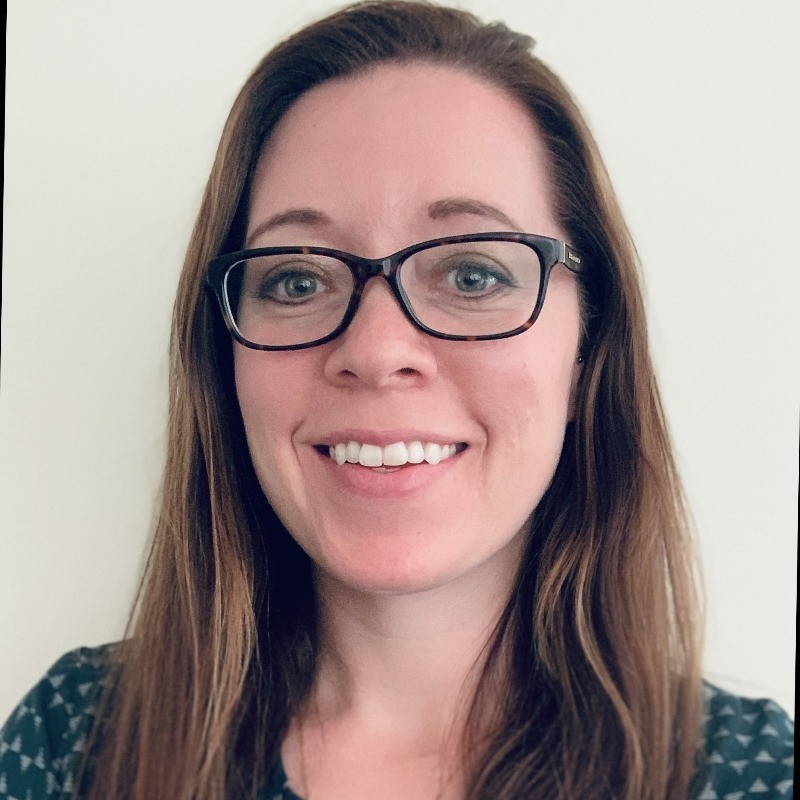
"When I'm thinking about all the campus partnerships that we've been able to build over the years, and how UNC Charlotte works together to put our students at the focus of the work we do, it's not just me and my team. It's so many others on campus really looking at the student experience and asking, ‘How do we make it better?’"
Learn more about how RealResponse can amplify the voices and insights you need to strengthen your institution's culture.