Trust by Design: How Lebanon Valley College Builds a Culture of 1:1 Support

Photos courtesy of Lebanon Valley College.
Factors well beyond any institution’s control influence today’s college student experience: personal financial struggles, a turbulent job market, geopolitical unrest, shifting technology usage. On top of traditional challenges like balancing academics, extracurriculars, and social lives, it’s a quick recipe for burnout.
Research from Gallup and the Lumina Foundation found that emotional stress and personal mental health concerns are now the top reasons students have considered leaving school before finishing their degree. At the same time, 82% of higher education leaders say students need more proactive, personalized support than they did just five years ago, according to Salesforce’s Connected Education Report.
For Dr. Sarah McDowell, Vice Provost for Student Affairs and Dean of Students at Lebanon Valley College (LVC), these numbers underscore a larger mission: “We’re trying to build a community where students know they belong, know where to turn to when they need help, and trust that the people on the other end of that outreach are going to care about them and respond.”
Scaffolding for the entire student experience
LVC’s Student Affairs team reports into Academic Affairs, a recent change that reinforced the institution’s approach to creating cohesive support in and outside the classroom.

“College is a time of growth, and we try to provide scaffolding for students, whether that means offering meaningful experiences outside the classroom, helping them navigate uncomfortable situations, or empowering them to advocate for themselves,” McDowell says. “We want our students to not just graduate with a degree and a career, but with the confidence and skills to succeed in whatever happens post-graduation.”
At a small institution like LVC, this scaffolding manifests as genuine relationships with staff and faculty who know students by name, not by case number, and are there for students whether they’re struggling or not. But scaling individualized attention also requires the right infrastructure, including clear pathways for accountability, feedback, and follow-up when something goes wrong.
“We want to make sure we’re not just responding when there’s a problem, but that there is a culture where students feel empowered to speak up for themselves and for each other, and where they have multiple pathways to access help.”
Three steps to forging closer connections with students
Comprehensive support is a two-way street. All the resources and personnel in the world can’t make a difference if students aren’t comfortable speaking up. McDowell believes there are three pillars to building a culture of open communication across a campus community:
Visibility: Students trust people they recognize, and that trust is built through consistent presence, not a single town hall. “I spend a lot of time going to student events, eating in our dining halls, interacting with students, going to their classroom presentations. Students may not know my title, but they know my face, and we’re able to build up a relationship,” explains McDowell.
Effortless communication: Not everyone is comfortable walking into an office or emailing a professor, so LVC offers multiple avenues for outreach. Peer networks such as orientation leaders, resident assistants, and Mosaic Mentors, along with a portfolio of digital tools, all play a role in capturing student feedback and concerns. But providing these outlets is only part of an institution’s responsibility, especially when it comes to issues like hazing, mental health, or physical safety. “Students should not have to navigate a complicated process, or fill out a bunch of forms just to ask a question or raise a concern. College is already complicated, institutions are made up of departments and hierarchies. Anything we can do to simplify, in a way that’s productive, is the best thing to do.”
Closing the loop: Students should not only know where to turn when they need help, they should have confidence that someone will respond. “If students take the time and have the courage to report feedback or a concern, they need to know that someone listened. Technology can help facilitate those conversations, but what matters most is making students feel heard, supported and valued.”
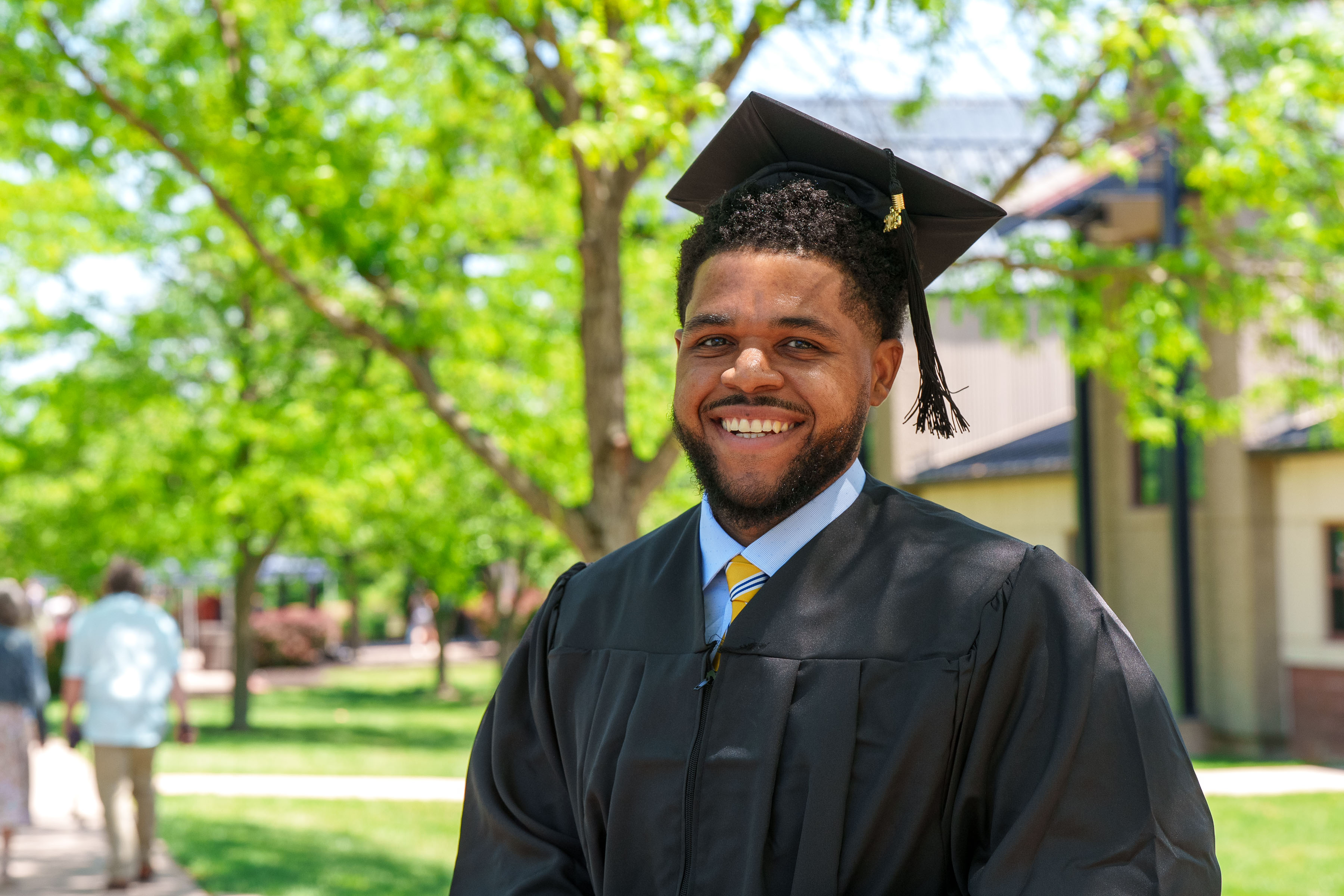
Nurturing a more engaged community, one interaction at a time
Effective student affairs operations don’t follow a one-size-fits-all model. McDowell and her team are driven to meet every LVC student where they are, with tailored guidance to help them navigate any type of situation.
The result is a flywheel effect: Students who feel supported become more invested in, and stewards of, the entire campus experience.
“If you’re at a school and you feel like you can share information and improvements are made based on your feedback, you’re going to want to engage more with that community because you feel like your voice matters,” she says. “That’s ultimately what we want students to feel.”
Learn more about how RealResponse can amplify the voices and insights you need to strengthen your institution’s culture.